Steam vs dry cleaning for Marylebone offices: which is better for a busy workplace?
If you manage an office in Marylebone, you already know the small stuff matters. A stained meeting-room chair, a tired reception carpet, or a faint musty smell after a wet commute can change how people feel about the whole space. That is where Steam vs dry cleaning for Marylebone offices becomes a real decision, not just a cleaning preference. The right method can help protect fabrics, reduce downtime, and keep your workplace looking sharp without making the day more complicated than it needs to be.
Truth be told, there is no one-size-fits-all answer. Steam cleaning is brilliant for deep soil removal and sanitising certain materials. Dry cleaning can be the safer, quicker option for delicate fabrics or offices that cannot afford much disruption. In this guide, we will walk through the differences in plain English, when each method makes sense, and how to choose the right one for your office in Marylebone.
Table of Contents
- Why this choice matters for Marylebone offices
- How steam cleaning and dry cleaning work
- Key benefits and practical advantages
- Who this is for and when it makes sense
- Step-by-step guidance
- Expert tips for better results
- Common mistakes to avoid
- Tools, resources and recommendations
- Law, compliance, standards and best practice
- Comparison table: steam vs dry cleaning
- Case study example
- Practical checklist
- Conclusion
- Frequently asked questions
Why Steam vs dry cleaning for Marylebone offices Matters
Marylebone offices tend to live a double life. They need to look polished for clients, but they also deal with everyday wear: shoes carrying in grit from the street, coffee splashes, printer dust, and the general bustle of a London workday. If your office has carpet tiles, fabric chairs, rugs, or upholstered breakout furniture, the cleaning method you choose affects appearance, hygiene, drying time, and even how long the materials last.
That is the practical side. There is also the reputational side. A reception that smells fresh and looks cared for says something about your business before anyone even speaks. A damp office that stays out of action all morning? Less ideal. Not the vibe, as people say. So the question is not just "which cleans better?" It is "which method fits the space, schedule, and materials in your office without causing headaches?"
For many Marylebone workplaces, the answer depends on the room. A heavily used corridor may benefit from hot water extraction or steam-based cleaning, while a boardroom sofa may need a low-moisture approach. The smartest offices mix methods rather than forcing one solution across the entire building.
How Steam vs dry cleaning for Marylebone offices Works
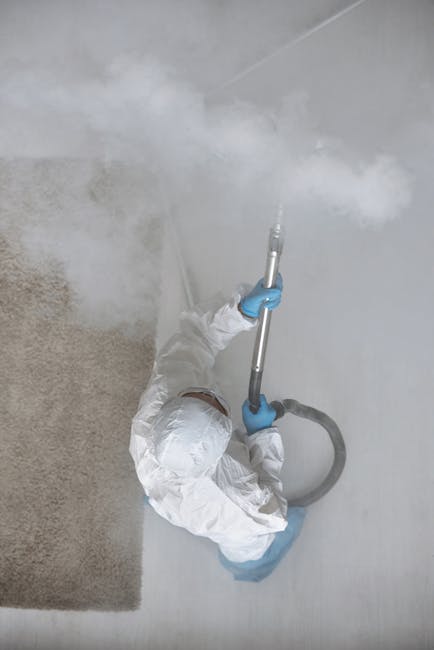
Let's keep this simple. Steam cleaning, in commercial cleaning language, usually means hot water extraction or a similar high-moisture process. Despite the name, it is often not just "steam" in the literal sense. Warm or hot water is applied under pressure, loosened dirt is lifted, and the moisture is extracted using powerful equipment. The result is a deeper clean on many textiles and carpets, provided the material can handle the moisture and drying time.
Dry cleaning for fabrics and office soft furnishings usually means a low-moisture or solvent-assisted process. In offices, that might involve absorbent compounds, specialised shampoos, encapsulation methods, or other techniques designed to clean with minimal wetting. It is especially useful where fast turnaround matters or where the material is sensitive to excess water.
The key difference is not only the amount of moisture. It is also the way each method behaves in a busy office. Steam-style cleaning can take longer to dry, but it often reaches deeper into fibres. Dry cleaning is usually faster to resume use, though it may not remove embedded grime as aggressively on heavily soiled items. In other words: one is not automatically "better". They solve different problems.
If you are unsure which path to take, think about the item itself. Carpet in a hallway with muddy footfall? Steam may be the stronger choice. A suede-like chair in a director's office? Dry cleaning is usually the safer starting point. Simple, really, though the details do matter.
Key Benefits and Practical Advantages
Each method offers a different set of strengths, and the best office cleaning plan usually uses both at different times.
Why steam cleaning appeals to offices
- Deep soil removal: It can pull out embedded dirt, salts, and residue that sit below the surface.
- Hygiene support: The combination of heat and extraction can help reduce allergens and general buildup on suitable materials.
- Good for high-traffic zones: Hallways, entrance mats, and shared spaces often respond well to deeper cleaning.
- Useful reset after heavy use: If the office has had an event, a busy quarter-end, or a period of neglect, steam can make a visible difference.
Why dry cleaning has a strong place in offices too
- Faster turnaround: Less water usually means less waiting around for things to dry.
- Lower risk on delicate fabrics: Some upholstery, trims, and specialty textiles are simply better suited to low-moisture cleaning.
- Less disruption: Ideal where staff need access to meeting rooms or reception areas quickly.
- Better for targeted maintenance: Great for regular upkeep between deeper cleans.
One practical point people overlook: the right method can also reduce the chance of re-soiling. If the cleaning residue is wrong, or if a carpet stays damp too long, dirt can return faster. That is frustrating, and it makes the office look worse sooner than it should. A good plan avoids that cycle.
Expert summary: Steam cleaning is usually the stronger choice for deep restoration on durable carpets and upholstery, while dry cleaning is often the smarter option when speed, fabric sensitivity, or minimal disruption matters most.
Who This Is For and When It Makes Sense
If you run an office in Marylebone, the answer depends on your space, not just your budget. Some workplaces need a heavier-duty approach; others need something discreet and quick. Here is how it tends to break down.
Steam cleaning makes sense if you have:
- Carpeted corridors or open-plan areas with visible foot traffic marks
- Upholstery that has absorbed odours, dust, or everyday grime
- A property with periodic deep-clean needs rather than constant spot care
- Durable textile surfaces that can tolerate moisture and a realistic drying window
Dry cleaning makes sense if you have:
- Delicate office chairs or reception furniture
- A tightly scheduled workplace with little room for downtime
- Meeting rooms used throughout the day
- Items that could shrink, warp, or hold water if treated too aggressively
Marylebone offices can be a little tricky because buildings vary so much. Some are modern serviced spaces; others are older conversions with original features and mixed materials. You might walk from one room with tough commercial carpet to another with expensive upholstery that really does not like being over-wet. That is where a tailored approach pays off.
It also matters if your office hosts clients. A client-facing reception can benefit from a regular maintenance routine with occasional deeper cleaning, while back-office spaces may need a more flexible schedule. There is no shame in choosing the method that keeps the office functioning smoothly. In fact, that is usually the professional thing to do.
Step-by-Step Guidance
If you want to decide sensibly, follow a simple process rather than guessing. It saves money, time, and awkward surprises.
- Identify the material. Check whether you are dealing with carpet, woven upholstery, synthetic fabric, natural fibres, or a mixed surface. If the item has a manufacturer care label, use that as your starting point.
- Look at the level of soiling. Light dust and fresh marks are different from ingrained traffic lanes or old stains. Heavily soiled areas often justify a steam-based deep clean.
- Ask how quickly the area must be used again. If the room needs to reopen in an hour, dry cleaning may be the only realistic choice.
- Consider risk. Delicate fabrics, water-sensitive dye, glue-backed flooring, or antique furnishings should be treated carefully.
- Match the method to the room. You may choose steam for carpets and dry cleaning for chairs in the same office. That is normal.
- Test a small area first. Especially on older furniture or unfamiliar fabric, a patch test can prevent expensive mistakes.
- Plan the timing. If steam cleaning is needed, schedule it before an off-peak period so drying is not rushed.
- Inspect the result. Check for smell, texture changes, residue, and dryness before putting the area straight back into use.
A practical example: suppose your office has a fabric waiting area, a carpeted corridor, and a couple of upholstered meeting chairs. The corridor may need steam cleaning to lift embedded dirt, while the chairs are better suited to dry cleaning because they are used daily and you cannot have them damp all afternoon. That mixed approach is often the sweet spot.
Expert Tips for Better Results
Here are the kinds of details that make a noticeable difference, and they are often missed in rushed bookings.
1. Choose cleaning around use patterns, not just appearance
A carpet can look "fine" and still be holding a lot of grit. In an office, hidden soil matters because it wears fibres down over time. So if an area gets heavy footfall, clean it based on use, not just what you can see from the doorway.
2. Watch the weather and ventilation
On a damp London day, drying can take longer than expected. Opening windows slightly, increasing air movement, or scheduling cleaning when the office is quieter can help. A little airflow goes a long way. It really does.
3. Don't over-wet anything just to chase a stain
If a stain is stubborn, more water is not always the answer. Sometimes it simply pushes the problem deeper or leaves a tide mark. A targeted process is usually safer than a heroic soak-and-pray approach.
4. Use the method that protects the fabric's life span
A very aggressive clean may make the item look good today but age it faster later. For valuable furniture or office carpets, long-term condition should matter just as much as the immediate result.
5. Keep a record of what was cleaned and when
This sounds boring, but it helps. If you note which rooms were steam cleaned, which chairs were dry cleaned, and when the next service is due, future planning becomes much easier. One less thing to remember on a hectic Monday morning.
Common Mistakes to Avoid
Even decent offices get this wrong now and then. The good news is that most mistakes are avoidable.
- Using steam on every surface by default. Some materials need a gentler method. Always check compatibility.
- Choosing dry cleaning for heavily soiled carpet. It may look quicker, but if grime is deep in the pile, you may just move it around.
- Ignoring drying time. If people walk on a damp carpet too soon, it can flatten, mark, or attract dirt.
- Skipping a test patch. Especially risky on older upholstery or mixed-fibre materials.
- Assuming a "quick clean" is enough after events. Office furniture used heavily during client days or internal events may need more than a surface refresh.
- Forgetting access constraints. If lift access is tight or the office has narrow stairwells, equipment choice matters more than you might think.
There is also a softer mistake: not communicating with staff. If people do not know which areas are out of use, they will wander in, sit down, or wheel chairs over a half-dry carpet. Then everyone is annoyed. Nobody needs that.
Tools, Resources and Recommendations
You do not need to become a cleaning technician to make a good decision, but a few basic tools and checks make life easier.
- Fabric care labels: The first thing to check on upholstery and soft furnishings.
- Spot test kit or small testing area: Helpful for confirming colourfastness and reaction to moisture.
- Moisture and airflow awareness: Not fancy, just practical. Drying conditions matter more than people expect.
- Office cleaning schedule: A simple calendar for regular maintenance, deep cleans, and high-use areas.
- Communication checklist for staff: Tells people which areas are closed, when they can return, and what to avoid touching.
If you are also reviewing your wider office upkeep, it can help to look at broader services such as office cleaning, deep cleaning, and upholstery cleaning. Those pages are useful if you are thinking about routine care rather than a one-off fix. For workplaces with mixed floor finishes, carpet cleaning and hard floor cleaning can also be part of a sensible maintenance plan.
If your office has tight turnaround windows, it is worth checking pricing and quotes early so you can balance scope and schedule before the job is booked. That small step often avoids last-minute compromise.
Law, Compliance, Standards, and Best Practice
For most offices, this topic is less about complex legal rules and more about sensible workplace responsibility. Still, a few standards of care are worth keeping in mind.
First, office cleaning should not create avoidable hazards. Wet floors, blocked walkways, trailing cables from equipment, and poor ventilation can all create risk. A well-run cleaning plan includes access control, warning signs where needed, and safe movement around the area while work is underway.
Second, if your building has health and safety procedures, they should be followed. That usually means considering slip risk, electrical safety, manual handling, and any building management requirements for contractors. For offices with a shared entrance or managed premises, coordination matters. A quick clean should never become a mini incident.
Third, materials should be treated in line with manufacturer guidance where available. If an item is marked for low-moisture cleaning only, that should be respected. The same goes for heritage furniture or bespoke fittings. Better safe than sorry, really.
Good practice also includes:
- Using the least aggressive method that achieves the required result
- Testing sensitive materials before full treatment
- Allowing adequate drying before reoccupation
- Keeping records for repeat cleaning of high-use areas
- Using insured, trained cleaners for commercial work
If you are assessing a provider, pages such as insurance and safety and health and safety policy are sensible places to look. For businesses that care about waste, chemicals, and broader operational values, recycling and sustainability may also be relevant to the cleaning plan.
Options, Methods, or Comparison Table
Here is a clear side-by-side comparison to help with decision-making.
| Factor | Steam cleaning | Dry cleaning |
|---|---|---|
| Best for | Deep cleaning durable carpets and some upholstery | Delicate fabrics, fast turnaround, and low-moisture needs |
| Moisture level | Higher | Lower |
| Drying time | Longer | Shorter |
| Soil removal | Strong on embedded dirt and grime | Good for maintenance and lighter contamination |
| Risk on delicate materials | Higher if used on the wrong fabric | Usually lower |
| Disruption to office | More likely to require downtime | Usually easier to schedule around work hours |
| Odour and freshness | Often better for removing deeper odours | Can freshen lightly soiled items quickly |
| Typical use in offices | Periodic deep clean for carpets and busy areas | Regular upkeep for chairs, panels, and sensitive furnishings |
In practice, most good office cleaning plans are hybrid. You steam clean where the dirt sits deep, and dry clean where the fabric demands caution or the calendar demands speed. That is the balanced answer most of the time.
Case Study or Real-World Example
Imagine a Marylebone office in a converted period building. The reception has a fitted carpet that takes a daily beating from visitors and staff, while the meeting room has upholstered chairs that were selected for comfort but are now showing coffee marks and the odd shadowy stain. The office manager wants everything done without a full shutdown.
In that situation, a mixed plan makes sense. The reception carpet is steam cleaned outside working hours, with good airflow set up for drying. The meeting chairs are treated with a dry cleaning approach that allows them to be back in use much sooner. A small test patch is done first on one of the chairs because the fabric is not especially robust and nobody wants a surprise colour change. Sensible, not dramatic.
The result? The reception looks fresher, the chairs feel cleaner, and the team can keep working. There is still a faint "newly cleaned" smell in the morning, which people tend to like, and no one has to play musical chairs around damp furniture. That is the kind of outcome you want: noticeable, but not disruptive.
The lesson is straightforward. The best method is often the one that fits the room, the material, and the schedule all at once. It is a bit of a balancing act, yes, but a manageable one.
Practical Checklist
Use this quick checklist before booking a clean for your Marylebone office.
- Have you identified the exact material to be cleaned?
- Do you know whether the item can safely handle moisture?
- Is the area high traffic or lightly used?
- How quickly does the room need to be back in service?
- Are there any care labels, warranties, or manufacturer instructions?
- Have you checked for colourfastness or done a test patch?
- Do you need a deep clean, a maintenance clean, or both?
- Will staff need access to the area during the day?
- Is there enough ventilation for drying if steam cleaning is used?
- Have you confirmed insurance, safety practices, and scheduling with the provider?
If you can answer those questions, you are already ahead of the game. Honestly, most problems happen when people skip this stage and just book whatever sounds strongest.
Conclusion
When comparing Steam vs dry cleaning for Marylebone offices, the smartest answer is usually not "always one or always the other." Steam cleaning is typically better for deep restoration on durable surfaces. Dry cleaning is often better for speed, sensitive fabrics, and low-disruption maintenance. The right choice depends on the material, the level of soil, and how soon the space needs to be back in use.
For many Marylebone workplaces, the best strategy is a practical mix: steam clean the hard-working areas, dry clean the delicate ones, and keep the whole office on a sensible maintenance cycle. That keeps the space looking professional without turning cleaning into a scheduling drama.
If you are unsure which method is right for your office, start with the material and the timetable. Those two things usually tell you most of what you need to know. And if you want a cleaner, calmer workspace with less guesswork, that is a pretty good place to begin.
Get a free quote today and see how much you can save.
Frequently Asked Questions
Is steam cleaning better than dry cleaning for office carpets?
For durable office carpets with heavy foot traffic, steam cleaning is often better because it can lift embedded dirt more effectively. But if the carpet needs to be back in use quickly, dry cleaning may be the more practical choice.
Is dry cleaning safe for office upholstery?
Usually, yes, especially for delicate or moisture-sensitive fabrics. It is often the safer option where you want minimal wetting and quicker turnaround. Still, the fabric type matters, so a test patch is wise.
How long does steam-cleaned office furniture take to dry?
Drying time varies with fabric, room temperature, airflow, and how much moisture was used. In a London office, it can take longer on a damp day or in a poorly ventilated room. Good airflow makes a real difference.
Can dry cleaning remove deep stains?
It can help with some stains, but it is generally better for maintenance, lighter marks, and sensitive materials. Deep or old stains often need a more intensive process, sometimes combined with spot treatment.
Which method is better for meeting rooms?
It depends on what is in the room. If you have durable carpet and can spare the drying time, steam cleaning works well. For chairs, sofas, or quick-turnaround spaces, dry cleaning is often more convenient.
Will steam cleaning disrupt the office day?
It can, mainly because the area may need time to dry before people walk on it or sit on it. That is why many offices schedule it before opening hours, after hours, or on quieter days.
Does dry cleaning leave residue behind?
It can if the wrong product or method is used, which is why experienced cleaners use the right technique for the fabric. A good finish should feel clean, not tacky or overly treated.
How often should a Marylebone office deep clean carpets or upholstery?
That depends on footfall, client traffic, and the type of space. Busy offices may need periodic deep cleaning, while lower-use areas can often be maintained with lighter cleaning in between.
Are steam and dry cleaning both suitable for historic office buildings?
Yes, but caution is important. Older buildings can contain delicate finishes, mixed materials, or moisture-sensitive details. A careful inspection and test patch are especially useful in period properties.
What should I ask a cleaning company before booking?
Ask what method they recommend for each material, how long drying is likely to take, whether they test fabrics first, and how they manage safety and access in the office. A good provider will answer clearly, not dodge the question.
Can I use one method for the whole office?
You can, but it is not always the best idea. Mixed office spaces often benefit from a combination of steam cleaning and dry cleaning because different materials and usage patterns call for different approaches.
How do I choose the right service for my office?
Start with your priorities: deep cleaning, speed, fabric protection, or minimal disruption. Then match those needs to the method. If you are still unsure, a provider that offers office cleaners can usually help you map the right approach for each area of the workplace.