Marylebone High Street flats: upholstery cleaning guide
If you live in a Marylebone High Street flat, you probably already know the rhythm of the place: compact rooms, good light, a lot of foot traffic, and furniture that works hard every single day. Sofas pick up city dust, dining chairs catch spills from takeaway coffees, and upholstered headboards seem to attract everything from hair spray to the odd patch of grime. This Marylebone High Street flats: upholstery cleaning guide is here to make that feel manageable.
Truth be told, upholstery cleaning in flats is a little different from cleaning in larger houses. Access can be tight, ventilation may be limited, and the fabrics you see in Marylebone homes are often a mix of delicate, design-led, and expensive enough to make you nervous. So the goal is not just to clean something until it looks better. The goal is to do it safely, correctly, and in a way that protects the fabric, the frame, and your time.
Below you'll find practical advice on what works, what doesn't, how professionals approach the job, and when it makes sense to call in help. If you're also thinking about a broader refresh, you may find our pages on upholstery cleaning in Marylebone, deep cleaning services, and spring cleaning in Marylebone useful alongside this guide.
Table of Contents
- Why Marylebone High Street flats: upholstery cleaning guide Matters
- How Marylebone High Street flats: upholstery cleaning guide Works
- Key Benefits and Practical Advantages
- Who This Is For and When It Makes Sense
- Step-by-Step Guidance
- Expert Tips for Better Results
- Common Mistakes to Avoid
- Tools, Resources and Recommendations
- Law, Compliance, Standards, or Best Practice
- Options, Methods, or Comparison Table
- Case Study or Real-World Example
- Practical Checklist
- Conclusion
- Frequently Asked Questions
Why Marylebone High Street flats: upholstery cleaning guide Matters
Upholstered furniture in a central London flat lives a busy life. Dust from open windows, crumbs from quick meals, pet hair, makeup transfer, and everyday body oils all settle into fabric over time. In Marylebone High Street flats, that often happens faster than people expect because the spaces are used intensively and furniture is usually close together.
There's also the aesthetic side. Marylebone flats tend to be stylish, and a tired sofa can drag the whole room down. A faint stain on a cream armchair, or a dark patch where heads rest on a sofa back, is enough to make a room feel less cared for. Small thing, big effect.
Cleaning matters for comfort too. Upholstery can hold odours, especially in flats where windows are not always open for long periods. A deep clean can make a room feel fresher without needing to replace anything. And that's often the more sensible route, especially if you've invested in decent furniture.
If you're moving, redecorating, or preparing a property for inspection, upholstery care becomes even more relevant. Pairing it with end of tenancy cleaning in Marylebone or a broader house cleaning service can make the whole flat feel much more presentable, which, to be fair, is exactly what most people want before a handover or viewing.
Expert takeaway: In a Marylebone flat, upholstery cleaning is not just about appearance. It helps protect fabric, improve indoor freshness, and preserve the value of furniture that often has to work hard in a compact living space.
How Marylebone High Street flats: upholstery cleaning guide Works
At its simplest, upholstery cleaning is the process of removing soil, stains, and odours from fabric-covered furniture using methods suited to the material. The right method depends on the fabric type, the construction of the item, and how soiled it is.
Professionals usually start with inspection. They check the fabric label, the condition of seams and cushions, and whether there are any visible stains, dye transfer risks, or signs of previous spot cleaning. That first look matters more than people think. A silk-blend cushion, for example, needs a very different approach from a standard synthetic sofa.
Then comes dry soil removal. Loose dust and grit should be removed before any wet cleaning starts, because rubbing debris into the fibres can make things worse. After that, a suitable cleaning solution is applied in a controlled way, followed by agitation where appropriate, then extraction or wiping, depending on the fabric and method used.
In flats, drying is a real consideration. Limited airflow, smaller rooms, and colder weather can slow the process. That's why good practice includes careful moisture control, use of fans if suitable, and making sure the furniture is not put back into heavy use too quickly. No one wants a lovely clean sofa that still feels a bit damp at 10 p.m.
If you want a service overview before going further, you can also browse the full cleaning services overview or compare wider support with domestic cleaning in Marylebone and one-off cleaning options.
Key Benefits and Practical Advantages
Good upholstery cleaning delivers more than a quick visual lift. In a Marylebone flat, the benefits tend to be practical, not abstract.
- Better appearance: fabric looks brighter, more even, and less worn.
- Improved freshness: odours from cooking, pets, smoke, or everyday use are reduced.
- Longer furniture life: regular cleaning helps slow down fabric wear and dirt abrasion.
- More comfortable living: a cleaner sofa or chair simply feels nicer to use.
- Better impression for guests or tenants: especially useful in smaller flats where one piece of furniture can dominate the room.
- Potentially lower replacement pressure: if the frame and fabric are still in good shape, cleaning can delay costly buying decisions.
There's also the psychological benefit. A clean sofa changes how a room feels. You sit down, breathe out, and the place just feels more looked after. That matters more than people admit.
For landlords, hosts, and sellers, upholstery cleaning can support a stronger presentation alongside selling your property in Marylebone or researching the local market through this Marylebone real estate buyer's guide. If you are trying to understand the local lifestyle context too, locals' views on living in Marylebone offers a useful read.
Who This Is For and When It Makes Sense
This guide is useful for a few different people, and the reasons are not identical.
Flat owners often want to protect good furniture and keep the home feeling polished. In a Marylebone High Street flat, where space is premium, one sofa or dining set may do a lot of visual work. A well-maintained piece makes the whole room feel calmer.
Renters usually want to avoid complaints, deposit issues, or awkward conversations at move-out. If upholstery has visible staining, it can create friction, even if the rest of the flat is spotless. It's not always fair, but that's the reality.
Landlords and property managers may need cleaning between tenancies or before marketing a flat. Upholstery is often forgotten until viewings start, and then it suddenly becomes very obvious.
Busy households with children, pets, or home-working setups also benefit. A flat used all day, every day, gets dirtier than people expect. A cup of tea can become a stain. A dog leaning on the same armrest for six months can leave a mark you barely notice until sunlight hits it just right.
If your home doubles as a work space, the standards can feel higher than before. That's where a targeted clean, or even office cleaning support in Marylebone for small business premises, can make sense alongside upholstery care.
Step-by-Step Guidance
1. Identify the fabric first
Start with the care label if there is one. Upholstery often carries cleaning codes or manufacturer guidance. If the label is missing, hidden under a seat cushion, or unreadable, treat the item cautiously. Natural fibres and blended fabrics can react differently to water, heat, and cleaning agents.
2. Vacuum thoroughly
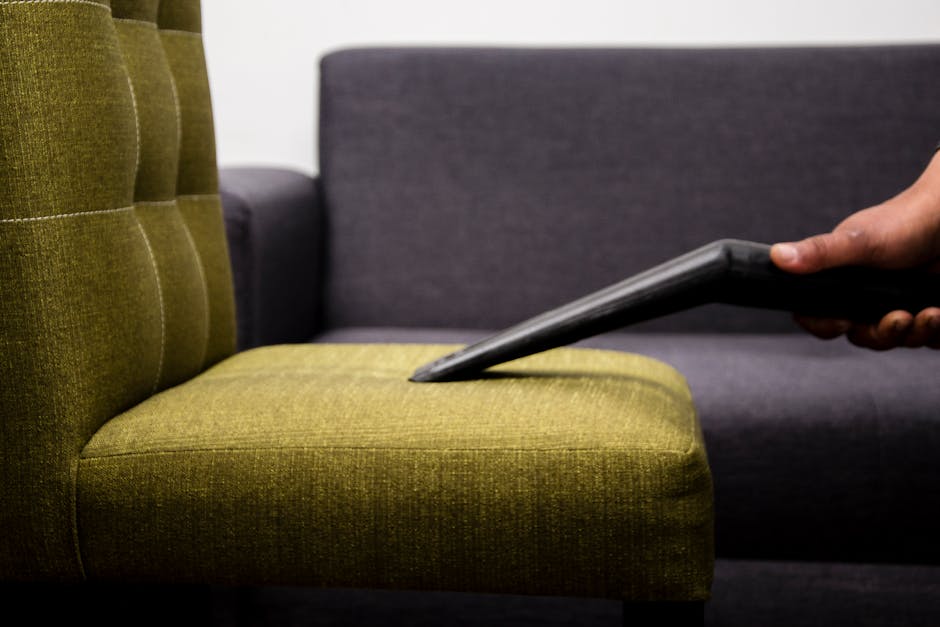
Use a upholstery attachment and get into seams, piping, and gaps between cushions. You're looking to remove dry dust, crumbs, hair, and grit before any moisture is introduced. This step is boring, yes. Also essential.
3. Test a hidden area
Before using any product, test it in a discreet spot. Let it dry fully. Check for colour change, water marking, or texture damage. If the patch looks worse, stop there and choose a gentler approach.
4. Treat stains individually
Spots are usually best handled one at a time. Blot, don't rub. Rubbing spreads the stain and can rough up the fibres. For food or drink spills, remove excess material first, then use a suitable cleaner sparingly. The key word is sparingly.
5. Clean the full item in sections
Doing the whole sofa in a controlled sequence helps avoid visible tide marks. Work panel by panel, keeping moisture even. In flats, especially smaller ones, this prevents the awkward half-clean, half-dry patchwork look. Nobody wants that.
6. Manage drying carefully
Open windows if weather and security allow. Use fans where appropriate. Keep cushions propped so air can circulate around them. Avoid sitting on the furniture until it is completely dry. If you press down too early, the fabric can pick up new marks or flatten unevenly.
7. Reassess after drying
Some stains only reveal themselves after the fabric is fully dry. A second pass may be needed, but only if the material and method support it. Good cleaning is often about restraint rather than force.
If you'd rather not tackle it yourself, it may be worth reading about professional upholstery cleaning in Marylebone or pairing it with carpet cleaning in Marylebone for a more complete refresh.
Expert Tips for Better Results
These are the small things that make a real difference, especially in flats where margins for error are slim.
- Work from clean to dirty: start with the least soiled areas so you do not drag grime across the whole item.
- Use less liquid than you think: over-wetting is one of the most common causes of slow drying and watermarking.
- Pay attention to armrests and headrests: these wear zones often need a slightly more detailed pass than the seat base.
- Watch for dye transfer from clothes: dark denim can leave traces on pale upholstery, especially on light fabrics.
- Keep pets off the furniture while it dries: one curious paw can undo a lot of work.
- Think about the room as a whole: a clean sofa looks best when the surrounding area is tidy too.
One practical observation: in Marylebone, many flats have furniture placed close to walls or radiators. That can speed up visible drying on one side and leave the rear side damp. Rotate cushions and give the whole piece equal airflow if you can.
And if your flat needs a more complete reset, a deep cleaning service in Marylebone may be the smarter choice than treating each item separately.
Common Mistakes to Avoid
A lot of upholstery damage is accidental, not dramatic. Usually it's a well-meant cleaning attempt that goes sideways. Happens all the time.
- Using the wrong cleaner: bleach, harsh detergents, and untested sprays can stain or weaken fabric.
- Scrubbing hard: this can fray fibres and push stains deeper into the weave.
- Soaking the upholstery: too much water can damage padding, leave odours, or cause mould risk.
- Ignoring the fabric type: wool, velvet, linen, and synthetics all behave differently.
- Cleaning only the stain: this can leave a ring or patch that is more obvious than the original mark.
- Putting cushions back too soon: trapped moisture can lead to a stale smell or uneven finish.
One less obvious mistake is forgetting the frame and surroundings. If you clean a sofa but ignore the under-seat area, the dust and crumbs there can return quickly. It's a bit like washing the windows and leaving the sill full of plant soil. Close, but not quite.
Tools, Resources and Recommendations
You do not need a massive toolkit, but using the right tools helps a lot. For most upholstery cleaning jobs, the essentials are straightforward.
| Tool or resource | What it helps with | Best use case |
|---|---|---|
| Upholstery vacuum attachment | Removing dry dust, hair, and crumbs | Routine maintenance and prep |
| Soft white cloths | Blotting stains without dye transfer | Spot treatment |
| Fabric-safe cleaner | Targeted cleaning of approved materials | General maintenance or spot cleaning |
| Soft brush | Loosening surface soil gently | Fabric with a durable weave |
| Fans or airflow support | Speeding drying time | Flats with limited ventilation |
| Manufacturer care label or guidance | Reducing risk of fabric damage | Before any wet cleaning begins |
For readers who prefer not to buy products and guess their way through it, a professional quote can be the safest route. You can browse pricing and quotes information or go straight to request a quote when you're ready. If you have questions first, get in touch here.
And for local context beyond the cleaning job itself, it can be helpful to look through Marylebone's hidden gems or even popular event venues in Marylebone if you're fitting cleaning around a busy social calendar. The area does have a habit of keeping people moving.
Law, Compliance, Standards, or Best Practice
Upholstery cleaning itself is not usually a heavily regulated activity in the way some specialist trades are, but there are still sensible standards and duties to respect. In a residential setting, the main concerns are safety, suitability of chemicals, and care around electrical items, delicate finishes, and ventilation.
For tenants and landlords, the key point is to follow the terms of the tenancy agreement and use fair, evidence-based expectations. A cleaner or landlord should not demand methods that would obviously risk damage to the fabric. Likewise, if you're cleaning your own flat, it is wise to follow product instructions and keep cleaning records if the item is high value or part of a furnished rental.
Best practice also includes:
- checking product safety information before use;
- keeping cleaning chemicals away from children and pets;
- making sure the room is ventilated where possible;
- protecting wood, metal, and flooring from run-off;
- using insured, trained professionals where the job is more complex.
If you want to understand the company standards behind professional work, it may help to review insurance and safety information, the health and safety policy, and the terms and conditions. Those pages are useful if you want a clearer sense of how a provider handles risk, access, and service expectations.
Options, Methods, or Comparison Table
Different upholstery cleaning methods suit different situations. There isn't one "best" method for every flat, which is why a little judgement goes a long way.
| Method | Best for | Pros | Limitations |
|---|---|---|---|
| Vacuuming only | Light maintenance | Fast, safe, low-risk | Won't remove stains or odours deeply |
| Spot cleaning | Fresh spills and local marks | Targeted and efficient | Can leave rings if not done carefully |
| Low-moisture professional cleaning | Delicate or apartment-friendly cleaning | Faster drying, less disruption | May not suit heavy soiling |
| Hot water extraction | Robust fabrics and deeper soil | Thorough and effective | More drying time, not ideal for all fabrics |
| Dry cleaning methods | Sensitive fabrics | Reduced moisture risk | May be less effective on deep stains |
If you live in a smaller flat or you need quicker turnaround, low-moisture methods are often a practical fit. If the furniture is heavily soiled or has been neglected for a while, deeper cleaning may be worth the longer drying time. That's usually the trade-off. Convenience or intensity. Sometimes both, but not always.
For broader cleaning needs around the home, you might also compare one-off cleaning with regular support through domestic cleaning in Marylebone. Different households need different rhythms.
Case Study or Real-World Example
Imagine a two-bedroom flat off Marylebone High Street with a pale fabric sofa, two dining chairs, and a fabric headboard in the main bedroom. Nothing dramatic. Just everyday life doing its thing.
The sofa had light tea marks on one arm, the dining chairs had small food splashes near the seat seams, and the headboard had a slightly greasy feel from normal contact over time. The owner had tried a supermarket spray on one cushion, which made the patch look cleaner for about a day and then left a faint outline. Very classic, honestly.
The better approach was simple:
- Vacuum all surfaces and seams.
- Test a fabric-safe product on a hidden area.
- Spot-treat the tea mark with minimal moisture.
- Clean the rest of the sofa evenly to avoid patching.
- Work on the chairs and headboard separately using gentler techniques.
- Increase airflow and allow a full dry before use.
The result was not magic. That's worth saying. But the room looked fresher, the furniture looked better cared for, and the pale fabric no longer drew the eye for the wrong reasons. The biggest win was probably confidence: the owner knew how to maintain it going forward instead of guessing every time a spill happened.
That sort of result is typical when the method matches the material. Nothing flashy. Just clean, calm, and much easier to live with.
Practical Checklist
Before you start cleaning your upholstery, run through this simple checklist.
- Check the care label or fabric guidance.
- Vacuum thoroughly, including seams and cushion edges.
- Identify stains and note any previous cleaning attempts.
- Test any product in a hidden spot.
- Use the least aggressive method that will do the job.
- Blot stains instead of rubbing them.
- Avoid over-wetting the fabric.
- Keep the room ventilated where possible.
- Allow full drying before reusing the furniture.
- Reassess once dry and repeat only if safe.
If a piece is valuable, antique, or made from an unusual fabric, stop at the test stage and consider professional help. It's a lot cheaper than replacing a damaged sofa. Harsh, but true.
Conclusion
Upholstery cleaning in Marylebone High Street flats is really about care, timing, and using the right method for the right fabric. In smaller central London homes, furniture gets used hard and visible wear shows quickly, so regular maintenance pays off. A clean sofa or chair does not just look better; it helps the whole flat feel fresher, calmer, and more lived-in in the best possible way.
Whether you're handling a small spill, preparing a flat for guests, or sorting out a deeper refresh, the key is to work carefully and avoid shortcuts that can damage fabric. And if the job feels too awkward, too delicate, or simply too much for a weekday evening after work, that is perfectly reasonable. Some things are best left to someone who does them all the time.
Get a free quote today and see how much you can save.
If you want to explore more about the company behind this advice, take a look at about us, review the blog for more local cleaning guidance, or return to upholstery cleaning services in Marylebone when you're ready to make a decision. Little by little, the flat starts feeling like itself again.
Frequently Asked Questions
How often should upholstery be cleaned in a Marylebone flat?
That depends on how heavily the furniture is used. For a busy flat with pets, children, or frequent guests, a light maintenance clean more often and a deeper clean periodically usually makes sense. A quieter home may need less frequent attention. In practice, it's often best to clean before visible dirt becomes obvious.
Can I clean upholstered furniture myself?
Yes, if the fabric is suitable and the stain is small. Vacuuming and careful spot cleaning are often fine for routine upkeep. The risk comes when you use too much water, the wrong chemical, or scrub too hard. If the piece is valuable or delicate, professional help is safer.
What fabrics are hardest to clean?
Velvet, silk blends, some linens, and anything with a delicate finish can be tricky. These materials can react badly to excess moisture or aggressive cleaning. Always check care instructions first, and if you can't identify the fabric confidently, treat it cautiously.
Will upholstery cleaning remove all stains?
Not always. Some stains are permanent, especially if they have set in or if the fabric was previously treated incorrectly. A good clean can improve appearance significantly, but it is better to think in terms of reduction rather than guaranteed removal.
How long does upholstery take to dry in a flat?
Drying time varies with method, fabric, room temperature, and ventilation. Flats can dry more slowly than open spaces because airflow is limited. Using fans and keeping cushions separated helps, but full drying can still take several hours or longer.
Is steam cleaning suitable for all sofas?
No. Steam or hot water extraction is not suitable for every fabric. Some upholstery types can shrink, watermark, or lose texture if too much heat or moisture is used. The method should always match the material.
How do I stop upholstery from smelling stale?
Regular vacuuming, prompt spill treatment, and proper drying after cleaning all help. Odours often build up in fabric that traps dust, body oils, and moisture. A professional clean can be useful if the smell is lingering or widespread.
Should I clean cushions separately from the sofa frame?
Yes, whenever possible. Cushions often hold more dirt and need slightly different treatment. Cleaning them separately also helps drying. It's a small step, but it makes the result much more even.
What should I do before a professional upholstery clean?
Clear small items from the room, vacuum if you can, note any stains, and mention any past cleaning attempts. It also helps to tell the cleaner about delicate fabrics, water marks, or pet-related issues. A little prep saves time and avoids surprises.
Is upholstery cleaning worth it before selling a flat?
Usually, yes. Fresh-looking furniture can improve the impression of a room in photographs and viewings. It won't change the layout of the flat, of course, but it can make the space feel cared for and easier to imagine living in.
Can upholstery cleaning be combined with other services?
Absolutely. Many people pair it with carpet cleaning, spring cleaning, or a broader deep clean. That approach can make more sense than tackling each item separately, especially if the whole flat needs attention.
Where can I get help if I'm not sure what my fabric needs?
If you're unsure, it's sensible to ask for advice before cleaning. You can start with the company's contact page or request a quote and describe the fabric, the stain, and the item size. That small bit of detail usually leads to a better recommendation.